Flaxseed has quickly become a popular food on the market. It can be added to Smoothies, Salads and more, but Does Flaxseed Go Bad? We'll answer this question in depth so you can ensure the flaxseed you buy remains fresh for a long time.
Jump to:
Does Flaxseed Go Bad?
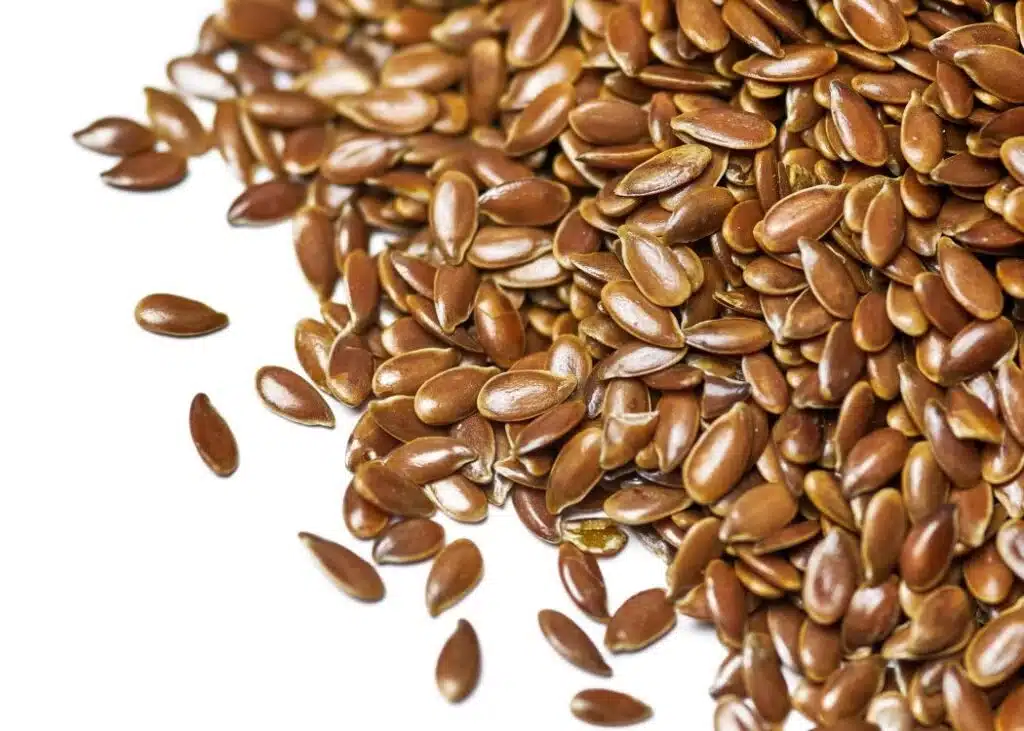
The answer is yes. Regardless of the form - whole flaxseed, ground flaxseed, or opened flaxseed - they all have the potential to spoil over time.
Whole flaxseeds, despite their hard outer shell can still go bad. Similarly, ground seeds also have a lifespan and can spoil.
Opened flaxseed is equally susceptible to spoilage. Once the package is opened, these seeds are exposed to air, light, and heat, which can accelerate the spoilage process.
While flaxseeds are a great addition to any diet, it's important to remember that like any food product, they have a shelf life and can indeed go bad.
How Long Does Flaxseed Last?
Whole seeds generally have a longer shelf life for up to 2 years as compared to ground flaxseed which has shelf life for up to 6 months. This is Due To The Unsaturated Fats Present In Flaxseeds which can cause them to go rancid quickly when exposed to air.
The protective shell of whole seeds helps preserve their freshness for an extended period, while ground flax seeds, being more exposed, tend to spoil faster.
Does Flaxseed Expire?
When flaxseed is purchased, it does not typically come with an expiration date printed on the package. Instead, its shelf life depends largely on various factors such as storage conditions and the freshness of the seeds at the time of purchase.
Therefore, it's important to consider these aspects to ensure you're consuming fresh and beneficial flaxseeds.
How To Tell If Flaxseed Has Spoiled?
Flax seeds, whether whole or ground, can go bad over time. It's important to know how to identify spoiled flaxseed to maintain food safety. Here are some tell-tale signs:
- Bitter Taste: Fresh flaxseed has a mild, nutty flavor. If your flaxseed tastes bitter, it's likely gone rancid and should be discarded.
- Smell Like Old Paint or Nail Polish Remover: A strong, unpleasant smell similar to old paint or nail polish remover is a clear indication of spoilage. This happens when the oils in the flaxseed oxidize and become rancid.
- Hard Blocks: If you find hard blocks or clumps in your flaxseed, it indicates that moisture has gotten inside the package. Moisture accelerates the spoiling process and can prompt mold to begin growing.
- Mold Begins to Grow: Mold is a definite sign of spoilage. If you see any mold, it's best to discard the entire package.
- Months Past Storing Time: Even when stored properly, flaxseed can still spoil over time. Whole flaxseed typically lasts longer than ground flaxseed. If your flaxseed is several months past the suggested storing time, it may be best to replace it.
How To Store Flaxseed?
Flaxseeds, when stored properly, they can retain their benefits for a long period. Here's how to store flaxseeds to ensure they're always fresh.
1. Preparation For Storage
Before you store flaxseeds, it's crucial to ensure that the flaxseed container is clean and dry. Any moisture can accelerate the degradation process, leading to spoilage. Whether you're storing whole flaxseed or ground flaxseed, this step is essential.
2. Choose The Right Flaxseed Container
An airtight container is an ideal choice for storing flaxseeds. These containers prevent air from entering, which can otherwise speed up the oxidation process and spoil the seeds. Ensure the container is sealed tightly after every use to maintain freshness.
3. Storing Whole Flaxseeds
Whole flaxseeds have a hard outer shell that naturally protects the inner seed, and therefore, they have a longer shelf life compared to ground flaxseed.
You can store whole flaxseeds at room temperature in a pantry, away from heat and light. However, make sure the container is shut properly to keep out pantry bugs.
4. Storing Ground Flaxseed
Ground flaxseed that is also known as flax meal is more prone to spoilage due to increased exposure to air. Therefore, it must be properly stored in the refrigerator section or freezer to prolong its shelf life.
The cold temperature slows down the oxidation process, keeping the flax meal fresh for a longer period.
5. Using A Bag For Storage
If you don't have an airtight container, you can also use a bag to store flaxseeds. Just make sure it can be sealed tightly to prevent air exposure. Bags are convenient for storing flaxseed in the fridge or freezer.
Whether you're storing whole flaxseeds or ground flaxseed, the key is to keep them in an airtight container, sealed tightly, and stored properly away from heat, light, and moisture. Following these steps will ensure your flaxseeds stay fresh for longer.
FAQ'S
Whether you prefer to eat flaxseeds as whole seeds, ground into flax meal or flaxseed meal, or even used as an egg substitute, here's how to make the most of this superfood:
One popular way to incorporate flaxseeds into your diet is by adding to baked products. You can sprinkle whole flaxseeds on top of Homemade Bread or Zucchini Chocolate Chip Muffins before baking for a crunchy texture and a nutty flavor.
f you're following a vegan diet or simply want to reduce your egg consumption, flaxseeds can come to your rescue. A 'flax egg', a popular egg substitute is perfect for use in baking recipes.
Store Flaxseed Well
In conclusion, flaxseeds, like many other food products can deteriorate, becoming rancid and losing their flavor and taste. To make the most of this seed, it's crucial to store flaxseeds correctly by keeping them in an airtight container in the refrigerator or freezer.