
Antioxidants are compounds that help protect cells from oxidative damage, a normal byproduct of metabolism and everyday environmental exposure.
Yet in supplement marketing, the word "antioxidant" often gets used as a catch-all promise of better health, longevity, or protection from disease.
Shoppers researching their options may come across ingredients like french grape seed extract, a polyphenol-rich botanical extract frequently mentioned in antioxidant discussions.
This article references it only as an example of the category, not as an endorsement of any particular formulation, dosage, or health claim. The goal is to help readers distinguish plausible, evidence-supported benefits from exaggerated marketing language by covering the underlying science, food-based strategies, label literacy, safety considerations, and a practical decision framework.
Disclaimer:
This article provides general information and does not replace personalized guidance from a qualified healthcare professional.
Jump to:
- Disclaimer:
- What Antioxidants Are and What They Can and Cannot Do
- Food Sources Usually Come First
- Key takeaway:
- 🤖 Looking For An Answer?
- What the Evidence Says About Grape Seed Extract
- How to Assess Supplement Claims and Labels
- Safety, Interactions, and Who Should Seek Advice First
- A Practical Decision Framework for Readers
- Writing and Evidence Standards Behind This Article
- Making a Thoughtful Supplement Decision
What Antioxidants Are and What They Can and Cannot Do
Oxidative Stress in Plain Language
Oxidative stress occurs when reactive molecules, generated through normal metabolism, exercise, inflammation, or environmental exposures like pollution, start to outpace the body's ability to neutralize them.
The body maintains its own antioxidant defences: enzymes and compounds it produces internally, which work alongside the antioxidants we get from food.
Concentrated supplement forms represent a third category entirely. It's worth emphasizing that oxidative stress is a biological process, not a standalone diagnosis, and its presence doesn't automatically signal illness.
Why "More Antioxidants" Is an Oversimplification
A compound that shows strong antioxidant activity in a test tube won't necessarily produce the same effect inside a living person. Isolated plant compounds can behave quite differently once separated from the fiber, water, and companion nutrients found in whole foods.
Laboratory antioxidant activity is not the same as proven clinical benefit, and no single ingredient should be treated as a general-purpose fix for aging, inflammation, cardiovascular disease, or cancer.
Food Sources Usually Come First
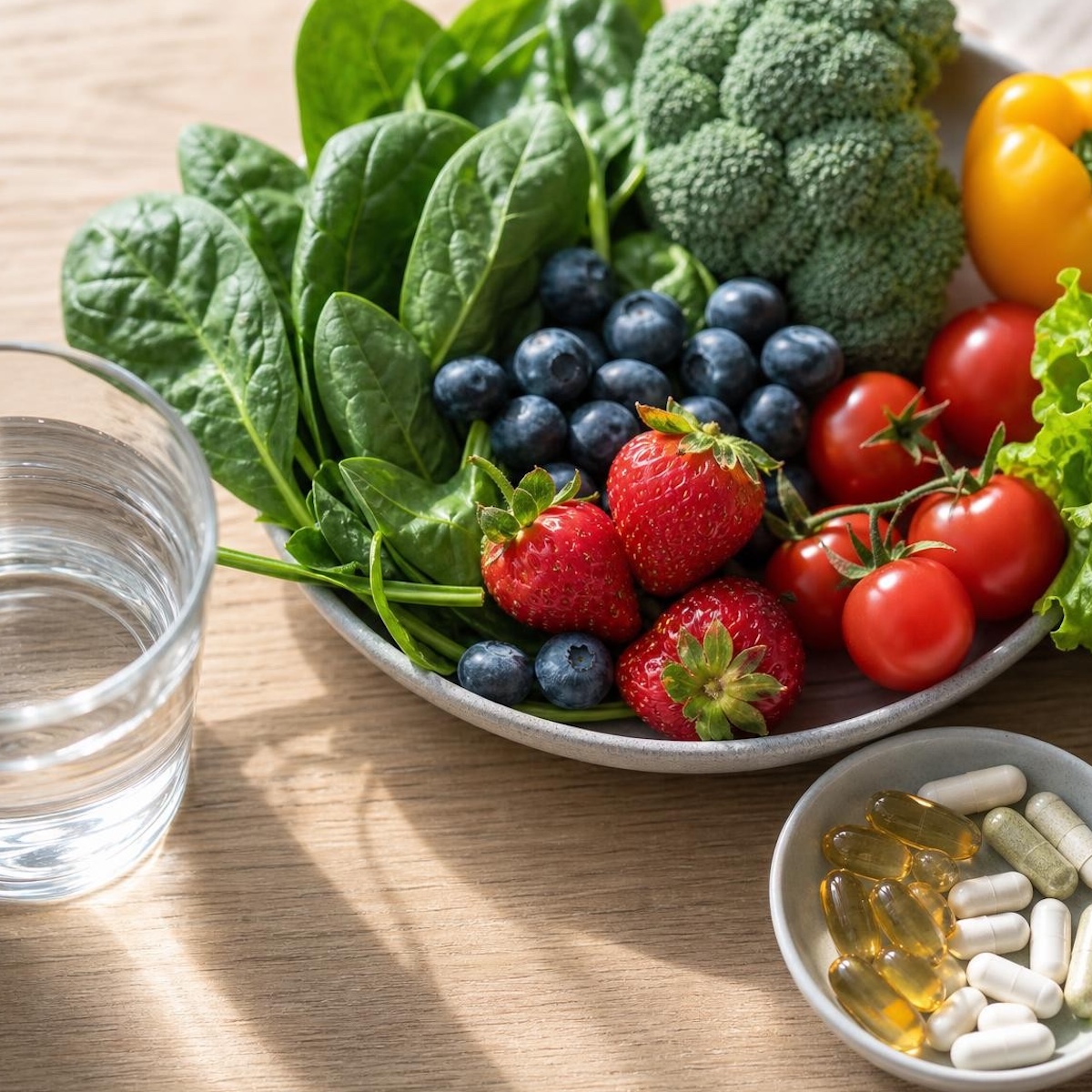
A varied diet built around fruits, vegetables, legumes, whole grains, nuts, and seeds typically offers the most well-rounded source of dietary antioxidants.
Whole foods supply combinations of fiber, vitamins, minerals, and plant compounds working in tandem; something a single extract simply cannot replicate.
Berries and other colorful fruits, leafy greens, beans and lentils, and certain teas and spices are commonly cited examples.
Individual dietary priorities will naturally differ based on allergies, medical conditions, cultural food practices, budget, and access, and a healthcare professional may still recommend targeted supplementation for documented deficiencies or specific circumstances.
Key takeaway:
Build a balanced dietary pattern first; treat supplements as targeted tools rather than substitutes for food or medical care.
🤖 Looking For An Answer?
You can ask AI to summarise this post to see if the article answers your question.
What the Evidence Says About Grape Seed Extract
Grape seed extract is a concentrated source of polyphenols, including proanthocyanidins, and researchers have studied it for possible effects on cardiovascular markers such as blood pressure.
That said, the research varies considerably in extract composition, dosage, study duration, participant characteristics, and the outcomes measured.
Some reviews and clinical studies report modest changes in blood pressure or heart rate, but findings aren't consistent across trials, and the evidence doesn't establish grape seed extract as a treatment for any medical condition.
It's important to separate three distinct things: a plausible biological mechanism, a measurable change in a biomarker, and a meaningful, patient-important health outcome. Demonstrating one doesn't confirm the others.
Readers shouldn't use any extract as a substitute for prescribed treatment, routine blood-pressure monitoring, or a clinician's guidance.
Organizations such as the National Center for Complementary and Integrative Health publish evidence summaries that discuss these limitations, including small sample sizes and inconsistent formulations across studies.
How to Assess Supplement Claims and Labels
Look for Specific, Verifiable Information
A trustworthy supplement label typically includes ingredient names and amounts, serving size, standardization details where relevant, allergen statements, manufacturer contact information, and expiration or lot information. A precise label doesn't prove effectiveness, but vague labeling makes any real evaluation far more difficult.
Separate Structure-Function Language from Medical Claims
Statements about supporting normal bodily functions differ meaningfully from claims to prevent, treat, or cure disease.
Watch for warning signs such as promises of "miracle" or instant results, claims to address multiple unrelated conditions, testimonials presented as proof, pressure to buy immediately, or vague "detox" language.
Independent testing seals can be useful, but they typically verify identity and contamination standards rather than guarantee effectiveness.
A trustworthy label should make it possible to identify what is in the product and how much is provided.
Safety, Interactions, and Who Should Seek Advice First
"Natural" does not mean risk-free. For grape seed extract and similar supplements, relevant considerations include possible interactions with medications, potential relevance to bleeding risk, use before or after surgical procedures, limited safety evidence during pregnancy and breastfeeding, and relevance to existing liver, kidney, bleeding, or cardiovascular conditions.
Anyone taking prescription or over-the-counter medicines, managing a chronic condition, pregnant or breastfeeding, preparing for a procedure, or combining multiple supplements should talk through these details with a healthcare professional beforehand.
Unexpected symptoms should be reported promptly, and prescribed medication should never be stopped without medical guidance. Resources such as the NIH Office of Dietary Supplements offer additional background on interactions and safety considerations.
A Practical Decision Framework for Readers
- Define the goal: Identify a specific health question rather than chasing vague "wellness."
- Check the evidence: Prioritize human studies and systematic reviews over laboratory findings or testimonials.
- Review safety: Consider medications, existing conditions, dosage, and duration.
- Assess product information: Favor transparent labeling over exaggerated promises.
- Discuss uncertainty: Ask a pharmacist, physician, or dietitian how it relates to your situation.
- Monitor responsibly: Track effects and reassess whether continued use is still justified.
For example, someone with elevated blood pressure considering an extract should discuss it with a clinician rather than adding it independently to an existing treatment plan.
Writing and Evidence Standards Behind This Article
This article draws on primary research, systematic reviews, and government health resources, rather than anonymous testimonials or unverified claims. Language such as "may affect," "evidence is limited or mixed," and "has not been established as a treatment" was chosen deliberately to reflect the actual state of research.



Making a Thoughtful Supplement Decision
Antioxidants are part of normal biology and nutrition, and whole foods generally offer the strongest foundation for antioxidant intake. Any supplement, including grape seed extract, deserves scrutiny regarding human-outcome evidence, product quality, and individual health circumstances. Before starting an antioxidant supplement, define your goal, review the evidence, examine the label, and consult a qualified healthcare professional about whether it fits your specific situation.




Leave a reply